

Air Pollution
Air pollution from vehicles, industrial emissions, and city life releases harmful gases into the atmosphere.
These pollutants mix with rain to create acid rain, which slowly eats away at the Colosseum’s ancient stone, causing erosion, cracks, and structural weakening.
Protecting air quality is vital for preserving the Colosseum’s delicate surfaces.

Extreme Weather
Over-tourism
Climate change is making storms, floods, and heatwaves more intense and unpredictable.
Heavy rainfall and strong winds can cause water damage, shift the foundations, and loosen ancient stones.
Without strong conservation efforts, these extreme weather events could accelerate the deterioration of the Colosseum’s structure.
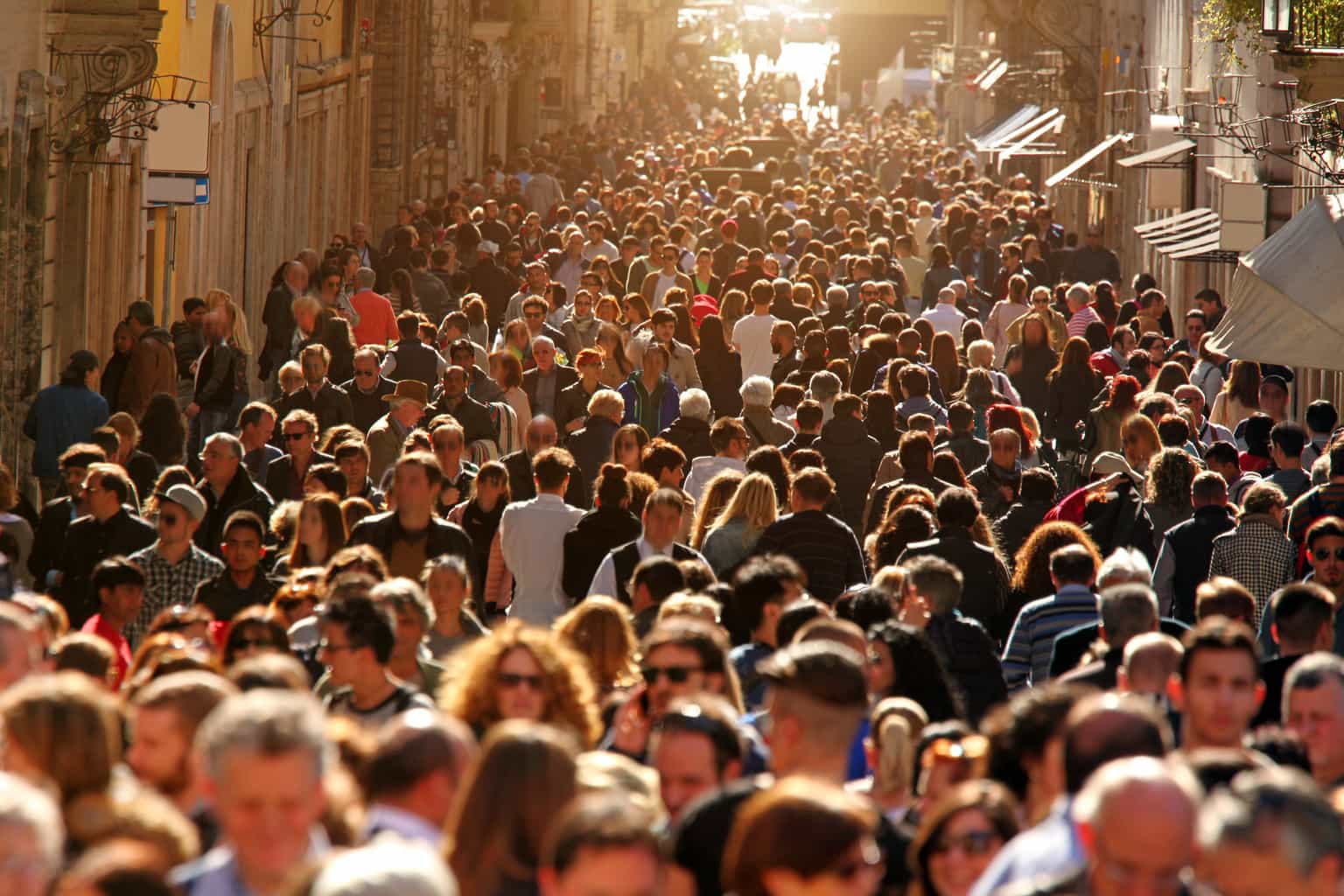
Millions of visitors each year walk across the Colosseum’s ancient floors, touch its walls, and bring increased environmental stress to the site.
Over-tourism causes wear and tear, pollution, and even structural strain on the monument.
Sustainable tourism practices are essential to ensure the Colosseum can be enjoyed by future generations.